
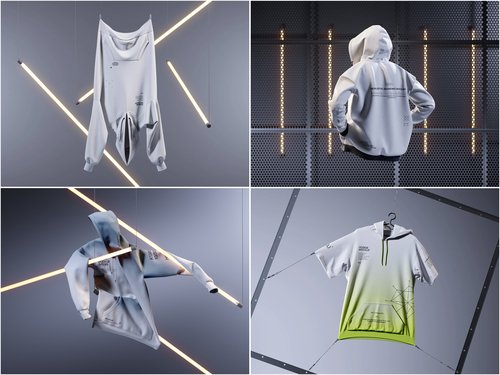
In the fast-paced world of streetwear, hype is everything. Brands don’t just sell clothing — they sell anticipation, identity, and exclusivity. Before a single hoodie is printed, designers rely on a powerful visual tool: the Hoodie mockup. It allows teams to preview, refine, and market limited edition drops with precision and style.
Building Hype Before Production
Streetwear thrives on storytelling. A hoodie isn’t just fabric; it’s a statement tied to culture, music, and community. Mockups let brands craft that narrative early.
Instead of waiting for physical samples, designers can instantly visualize graphics, placements, and colorways. This speed is critical when trends shift overnight.
Key advantages include:
- Rapid iteration of designs without manufacturing costs
- Ability to test multiple colorways for different audiences
- Immediate content creation for social media teasers
Mockups become the first “public appearance” of a drop, often seen weeks before production begins.
Social Media Teasing and Drop Culture
Top brands understand that scarcity drives demand. They use mockups to tease upcoming releases through carefully staged visuals. A clean, realistic hoodie image posted on Instagram can spark thousands of comments within minutes.
Mockups help create:
- Countdown campaigns with evolving visuals
- “Leaked” designs to build organic buzz
- Interactive polls where followers choose final versions
Because mockups look nearly identical to real photos, audiences engage with them as if the product already exists.
Collaboration and Influencer Strategy
Collaborations are a cornerstone of streetwear. Whether it’s artists, musicians, or niche designers, mockups streamline communication between all parties.
Instead of vague descriptions, collaborators see exact visuals. Influencers can even receive mockup previews before launch, allowing them to align their content in advance.
This ensures:
- Consistent branding across campaigns
- Faster approval cycles
- Early marketing momentum before production
Real-World Examples of Hoodie Mockups in Action
In practice, hoodie mockups are deeply embedded in modern workflows. Independent labels often use them to validate ideas before investing in manufacturing. By posting mockups online, they measure engagement and only produce designs that resonate.
Established brands take it further. They create entire lookbooks using mockups, simulating real photoshoots without logistical costs. Some even run pre-orders based solely on mockup visuals, reducing financial risk while confirming demand.
Pop-up drops also benefit. Brands can quickly generate location-specific designs, preview them through mockups, and launch within days. This agility is impossible with traditional sampling methods.
Hoodie Mockups on ls.graphics
For designers aiming to match industry standards, the hoodie mockups available on ls.graphics stand out. They combine premium quality with ultra-realistic rendering, making every fabric fold and shadow feel authentic.
Users benefit from:
- Fully organized layers for effortless customization
- Multiple angles to showcase designs from every perspective
- Diverse color styles to match different brand aesthetics
The minimalistic compositions keep the focus on the product, while the Edit Online feature allows quick adjustments without complex software. Additionally, a wide selection of free scenes makes it easy to experiment before committing to a full project.
Why Mockups Define Modern Streetwear Launches
The rise of digital-first fashion marketing has made mockups indispensable. They bridge the gap between concept and consumer, allowing brands to act faster, smarter, and more creatively.
In a culture where timing and perception are everything, mockups are not just tools — they are strategic assets that shape how a drop is experienced.
Conclusion
Hoodie mockups have transformed how streetwear brands design, market, and launch limited editions. From early concept testing to viral social campaigns, they enable precision and creativity at every stage. Platforms like ls.graphics provide the tools needed to achieve that level of realism and efficiency, helping brands turn ideas into must-have drops before the first hoodie is ever produced.